July 8, 2026
Gutters are often overlooked, yet they play a major role in protecting a home from water damage. By directing rainwater away from the roof, siding, foundation, and landscaping, gutters help prevent problems that can become expensive over time. A properly maintained system supports the long-term strength, appearance, and value of the property. Without effective drainage, even routine rainfall can create moisture issues that affect multiple parts of the home.
Homeowners often focus on visible repairs, but water management should be part of regular maintenance. According to the National Association of Home Builders, they report that homes without gutters are 50% more likely to experience foundation damage, showing how important these systems are for structural protection. When gutters are clean, secure, and properly pitched, they move water safely away from vulnerable areas. When problems appear, timely gutter repairs can help prevent larger issues from developing.
The Purpose of Gutters
Gutters collect rainwater as it runs off the roof and guide it toward downspouts. This controlled path keeps water from spilling directly over roof edges and soaking the ground near the home. Without this system, runoff can pool around the foundation, splash against siding, damage soil, and create moisture concerns inside the structure.
By managing roof runoff, gutters also protect exterior finishes. Paint, trim, siding, doors, and window frames can all deteriorate faster when exposed to repeated water flow. A working gutter system helps these features last longer and keeps the home looking cleaner and better maintained.
Protecting the Foundation
The foundation is one of the most important areas protected by gutters. When rainwater collects near the base of the home, it can saturate the soil and increase pressure against foundation walls. Over time, this may lead to cracks, shifting, settling, or water seepage. These problems can be costly and stressful to correct.
Downspouts should direct water several feet away from the structure so it can drain safely. If gutters sag, leak, or pull away from the roofline, water may end up exactly where it should not be. In these cases, gutter repairs are a practical way to restore proper water flow and protect the foundation from preventable damage.
Preventing Basement Moisture
Basement leaks are often connected to poor exterior drainage. When water pools near the foundation, it can find small openings and seep into lower-level spaces. Even minor moisture can lead to musty odors, mold growth, damaged flooring, and ruined stored belongings. Finished basements are especially vulnerable because repairs may involve drywall, insulation, carpeting, and electrical components.
A reliable gutter system reduces the amount of water pressing against basement walls. Clean channels, secure seams, and properly placed downspouts all help keep the basement drier. For homes with recurring leaks after storms, inspecting the drainage system should be one of the first steps.
Reducing Soil Erosion
Uncontrolled water pouring from the roof can quickly wash away soil around the home. This can leave bare patches in the yard, damage garden beds, expose roots, and create uneven ground near walkways or patios. Over time, erosion can affect both the appearance and stability of exterior spaces.
Gutters help preserve landscaping by moving water to areas designed to handle runoff. This is especially important for homes on slopes or properties with decorative plantings. When water is released in a controlled way, lawns, shrubs, flower beds, and hardscaping are easier to maintain.
Protecting Siding, Paint, and Trim
Water that constantly runs down exterior walls can damage siding and paint. Wood may rot, paint may peel, and moisture stains may form on the surface. Vinyl, stucco, brick, and stone can also suffer from staining, mold, mildew, or gradual deterioration when exposed to repeated runoff.
Gutters reduce this risk by catching water before it reaches the walls. If sections are loose or overflowing, water may splash against the home and create visible damage. Prompt gutter repairs can help preserve curb appeal and reduce the need for frequent exterior maintenance.
Preventing Roof Edge Damage
Gutters also help protect the roof itself. When water lingers near roof edges, it can damage fascia boards, soffits, shingles, and underlayment. In colder climates, poor drainage may contribute to ice dams, which occur when melting snow refreezes near the roof edge and blocks additional water from draining properly.
Ice dams can force water under shingles, leading to leaks and interior damage. Clean and functional gutters help melted snow move away from the roof more efficiently. While gutters alone do not solve every winter roofing issue, they are an important part of a complete moisture-control system.
Common Signs of Gutter Problems
Homeowners should watch for warning signs that the system is not working correctly. Overflowing water, sagging sections, rust, cracks, loose fasteners, separated seams, and water stains on siding can all indicate trouble. Pools of water near the foundation after rainfall may also point to drainage problems.
Other signs include peeling paint near the roofline, eroded soil below gutters, mold near exterior walls, or basement dampness after storms. Addressing these issues early can limit damage. Many minor gutter repairs are far less expensive than foundation work, siding replacement, or basement restoration.
Types of Gutters
Different gutter styles offer different benefits. K-style gutters are common because they hold a good amount of water and complement many home designs. Half-round gutters have a more traditional look and are often used on historic or custom homes. Seamless gutters are popular because they reduce the number of joints where leaks can form.
Materials also vary. Aluminum is lightweight and resistant to rust, while steel is strong and durable. Copper offers a distinctive appearance and long lifespan, though it usually costs more. The best choice depends on climate, budget, roof size, and the appearance of the home.
Maintenance Tips for Long-Term Performance
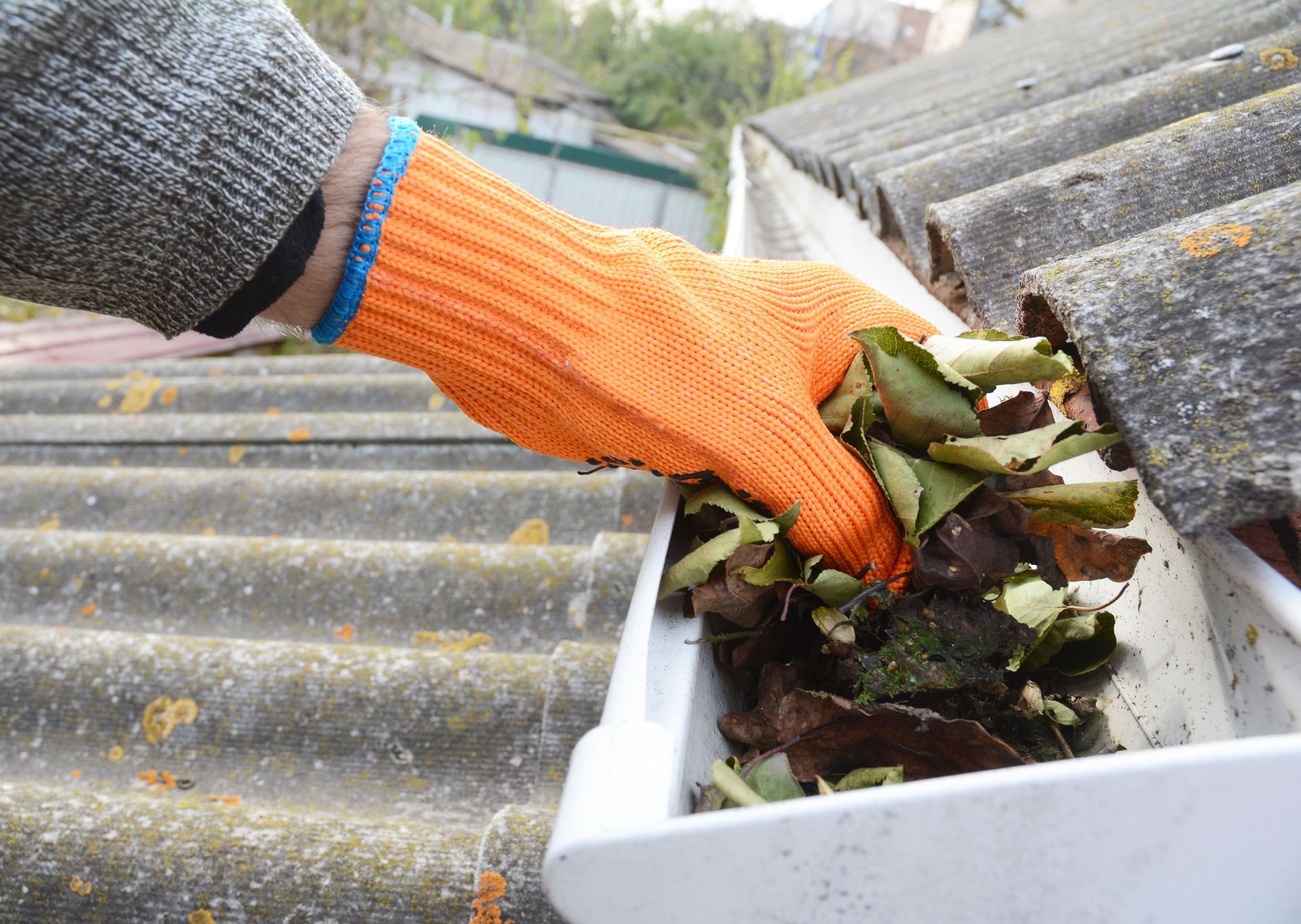
Regular maintenance keeps gutters working as intended. Leaves, sticks, roof granules, and other debris can clog channels and downspouts. When water cannot flow freely, it may overflow, back up under roofing materials, or spill near the foundation. Cleaning gutters at least twice a year is a smart preventive habit.
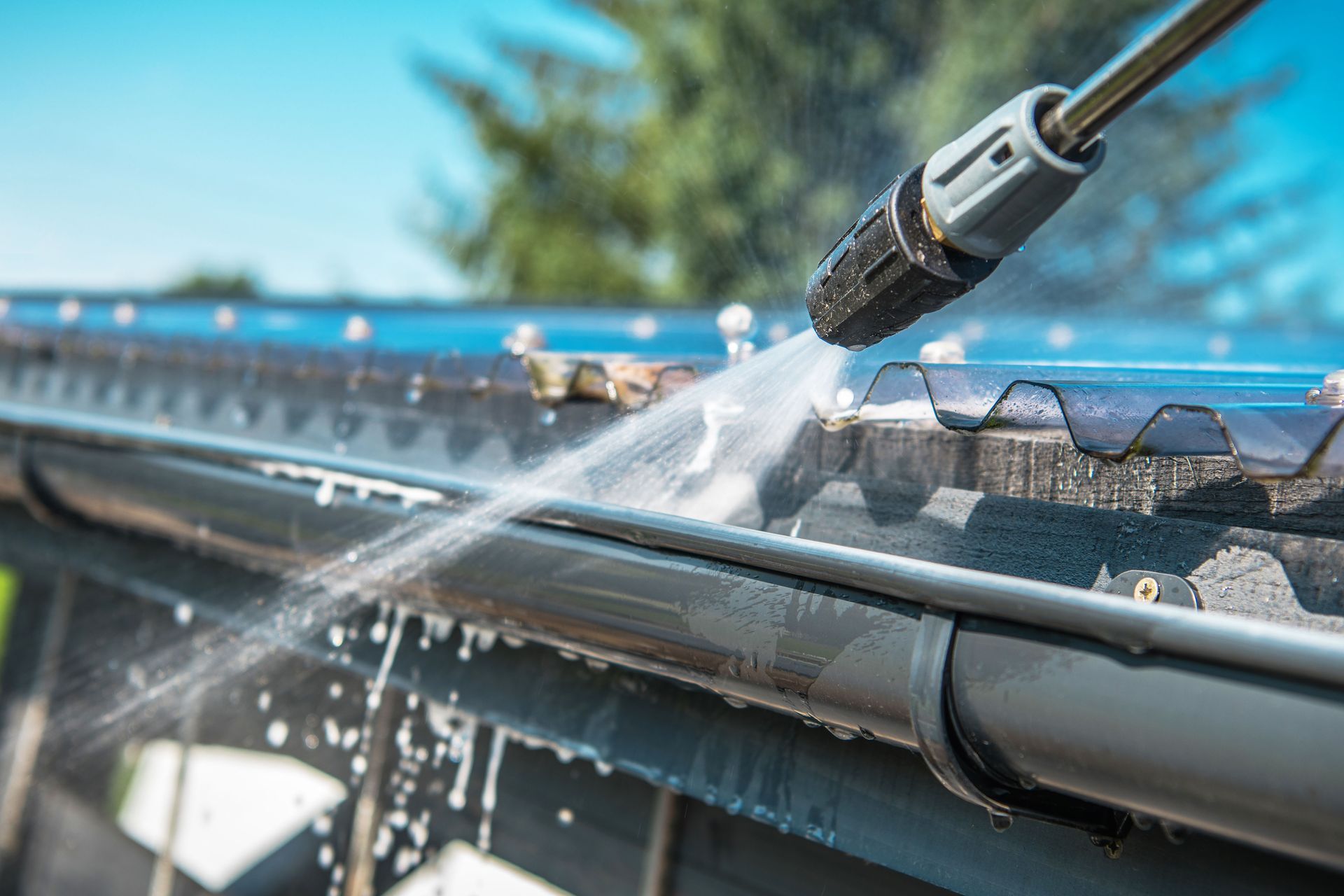
Homeowners should also check for proper slope, secure brackets, and clear downspout exits. Gutter guards may reduce debris buildup, although they still need occasional inspection. After heavy storms, a quick visual check can help identify problems before they become serious. Professional gutter repairs may be needed when sections are damaged, detached, or leaking.
Why Gutters Are a Smart Investment
Installing and maintaining gutters is often much more affordable than repairing water damage. Foundation repairs, basement restoration, siding replacement, and roof work can cost far more than preventive maintenance. Gutters help reduce these risks by controlling where rainwater goes every time it falls.
A dependable drainage system also supports home value. Buyers often notice signs of water damage, such as stains, cracks, erosion, and damp basements. Keeping gutters in good condition shows that the property has been cared for and protected from avoidable moisture issues.
Gutters are a simple but powerful defense against water damage. They protect the foundation, basement, roof, siding, paint, trim, and landscaping by directing rainwater away from the home. When maintained properly, they reduce repair costs and help preserve the structure for years. Homeowners should not wait until visible damage appears before taking action. Regular cleaning, inspections, and timely gutter repairs can make a meaningful difference in protecting the property. With the right system in place, rainwater becomes manageable instead of destructive. Contact our team at Beiler Gutters LLC today and learn more about our gutter repair services.